Understanding Rain Gauges
A rain gauge is an essential tool for anyone looking to monitor precipitation levels, whether for gardening, farming, or simply staying informed about local weather conditions. These devices collect rainwater and provide measurements, enabling users to make informed decisions about watering plants or preparing for storms. In this article, we will explore the best rain gauges available, highlighting their features, benefits, and how they can help you save water.
Why Use a Rain Gauge?
Using a rain gauge allows you to accurately measure the amount of rainfall over a specific period, helping you to understand your area's weather patterns. This information is particularly valuable for gardeners and farmers who need to optimize watering schedules and conserve water. By knowing how much rain has fallen, you can reduce unnecessary irrigation, ultimately saving both water and money.
Choosing the Right Rain Gauge
With a variety of rain gauges on the market, selecting the right one for your needs can be overwhelming. Here are key factors to consider when shopping for a rain gauge:
1. Size
The size of a rain gauge typically ranges from 5 to 20 inches in height and 2 to 8 inches in diameter. A larger gauge can collect more rain, making it a better choice for areas with heavy rainfall. For most home gardens, a gauge with a capacity of up to 5 inches is sufficient, while larger models may be necessary for agricultural purposes.
2. Type
Rain gauges come in two primary types: analog and digital. Analog gauges are straightforward and affordable, requiring manual readings. Digital gauges offer advanced features, such as automatic data logging and remote monitoring via smartphone apps. If you are looking for convenience and additional data, consider investing in a digital model.
3. Collection Capacity
Collection capacity is crucial depending on your climate. In areas prone to heavy rain, a gauge with a higher capacity (up to 11 inches) is advisable. For typical residential use, a 5-inch gauge is often adequate. If you plan on using a rain gauge for agriculture, a larger capacity may provide better long-term data.
4. Accuracy
Accuracy is vital for anyone relying on rain measurements to manage irrigation. Digital gauges tend to be more accurate compared to their analog counterparts. Look for models that offer precise increments for measurement, ideally down to 1/100 of an inch for maximum accuracy.
5. Display
When choosing a rain gauge, consider the visibility and clarity of its display. Analog gauges should have large, clear markings for easy reading. For digital gauges, ensure that the screen is easy to read from a distance and provides all necessary data at a glance.
6. Installation
Installation is another important consideration. Some gauges come with mounting brackets, while others may require you to purchase additional hardware. Ensure that the gauge can be easily installed in an unobstructed area for accurate readings, ideally at a height of 4 to 5 feet above the ground.
Our Top Rain Gauge Picks
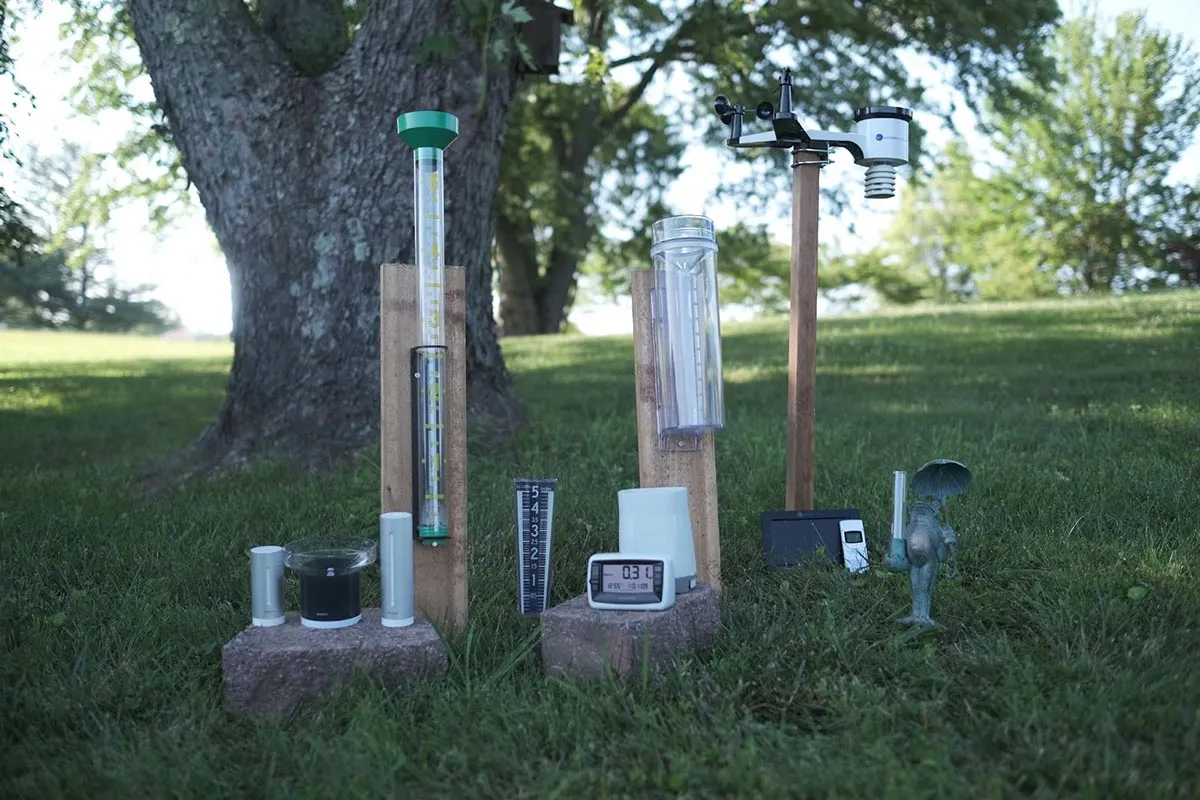
Based on extensive testing, here are our top recommendations for rain gauges that excel in terms of quality, accuracy, and user-friendliness:
1. Headwind Classic EZRead Rain Gauge
The Headwind Classic EZRead is our top pick for its ease of use and excellent visibility. This analog model stands 26 inches tall and features large markings that can be read from a distance. It is weather-resistant and includes a built-in screen to keep debris out, making it ideal for outdoor use.
2. La Crosse 704-1531B Magnifying Rain Gauge
Offering great value for its price, this compact analog model is easy to install and read thanks to its magnifying funnel. It can measure up to 5 inches of rain and is available in multiple colors, making it a decorative yet functional addition to your garden.
3. AcuRite Digital Rain Gauge
This wireless digital rain gauge provides real-time readings and includes a rainfall alarm. It reports data every 60 seconds, ensuring you stay updated on precipitation levels without needing to check it manually.
4. Ambient Weather WS-2000 Smart Weather Station
A comprehensive solution, this digital weather station not only measures rainfall but also tracks wind speed, temperature, and humidity. It's compatible with smart home systems, making it a great choice for tech-savvy users.
5. Stratus RG200 Precision Rain and Snow Gauge
This gauge is designed for accuracy, measuring up to 11 inches of precipitation. Its overflow design ensures you won’t miss any measurements during heavy rain. It's also built to withstand harsh weather conditions.
6. Evergreen Garden Metal Frog Statue with Rain Gauge
This charming decorative rain gauge combines functionality with style. It collects up to 5 inches of rainfall and adds a whimsical touch to your garden while providing accurate measurements.
Conclusion
Investing in a reliable rain gauge can significantly enhance your ability to manage water usage and prepare for storms. By understanding the key features and options available, you can choose a rain gauge that best suits your needs. Whether you opt for a simple analog model or a sophisticated digital weather station, the right rain gauge will help you stay informed and make better decisions for your garden or farm.