Weatherstripping is a vital yet often overlooked method for sealing gaps around doors and windows. By effectively keeping the indoor air conditioned and outdoor elements at bay, it plays a significant role in energy efficiency. Homeowners can significantly reduce their energy bills by investing in the right weatherstripping solutions. This article will cover 15 different types of weatherstripping, detailing their unique benefits and ideal applications.
Why Invest in Weatherstripping?
Weatherstripping is not merely a draft-stopping technique; it's a strategic investment in your home's energy efficiency. According to the U.S. Department of Energy, sealing air leaks with weatherstripping can reduce annual heating and cooling costs by 5 to 30 percent. This means that a small upfront cost can lead to substantial savings over time, making it a smart decision for any homeowner.
Key Benefits of Weatherstripping
- Lower Utility Bills: Reduced air leakage means that your heating, ventilation, and air conditioning (HVAC) system won't have to work as hard, directly lowering your energy costs.
- Improved Comfort: Effective weatherstripping minimizes cold drafts and helps maintain consistent indoor temperatures throughout the year.
- Noise Reduction: Sealing gaps can block external sounds from entering your home, contributing to a quieter living environment.
- Pest Prevention: Properly sealed openings help keep insects and other pests from invading your space.
- Enhanced Indoor Air Quality: Minimizing outside air infiltration helps control humidity and improve air quality, making your home healthier.
- Environmental Benefits: Using less energy contributes to a lower carbon footprint, making your home more eco-friendly.
Common Types of Weatherstripping and Their Uses
There are various types of weatherstripping available, each designed for specific applications around your home. Understanding these various types will help you choose the right one for your needs.
1. Tape Weatherstripping
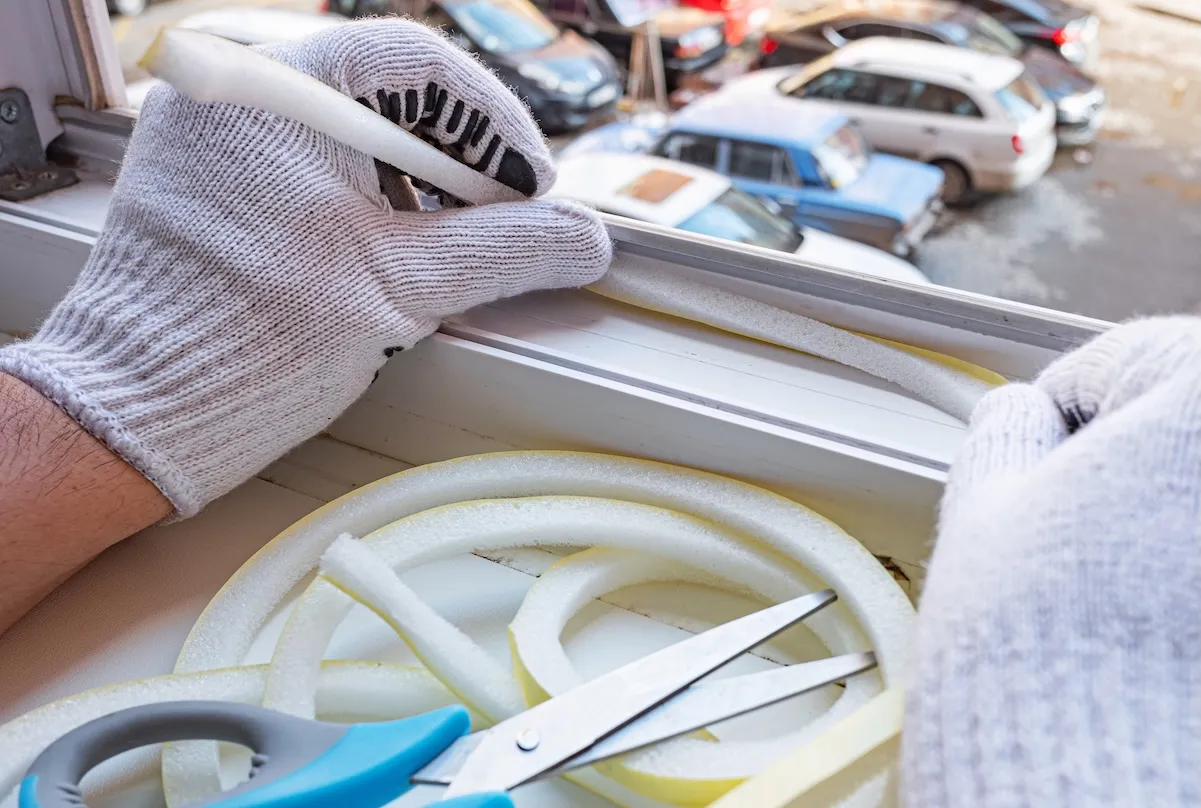
Tape weatherstripping is an easy-to-use option available in rolls of foam, rubber, or vinyl with adhesive backing. It's perfect for small to medium gaps, making it ideal for window sashes and the tops or sides of doors. While it is affordable and quick to install, it may need replacement every few years, especially in high-traffic areas.
2. V-Strips
Also known as tension seals, V-strips are thin strips of durable vinyl or metal folded into a "V" shape. When installed along the edges of windows or doors, they compress to create a tight seal. They are effective for areas where surfaces slide against each other, such as double-hung windows.
3. Gaskets
Gasket weatherstripping is typically tubular and made from rubber or foam. It's commonly used on garage doors to prevent drafts and moisture from entering through the gap at the bottom. Gaskets can be attached with adhesive, screws, or nails for a secure fit.
4. Door Sweeps
Door sweeps attach to the bottom of exterior doors to block drafts and prevent dust and insects from entering. They can be made from rubber, vinyl, or bristles and are available in adhesive and screw-on models, depending on your installation preference.
5. Felt Weatherstripping
Felt is a traditional and cost-effective weatherstripping option. It's easy to cut and install but is less durable than rubber or vinyl. Felt is most suitable for low-traffic areas or temporary fixes.
6. Reinforced Foam
This type combines the flexibility of foam with a layer of reinforcement for added durability. It's ideal for sealing larger or uneven gaps and is available in various thicknesses and widths for customized applications.
7. Rolled Vinyl Weatherstripping
Rolled vinyl weatherstripping is durable and moisture-resistant, commonly used for sealing gaps in doors and windows. It can be attached through stapling or nailing, providing a long-lasting solution for high-traffic areas.
8. Magnetic Weatherstripping
Magnetic weatherstripping creates a tight seal between metal doors and frames, similar to refrigerator seals. It provides an excellent air barrier, making it particularly beneficial for exterior doors.
9. Reinforced Silicone Weatherstripping
Silicone weatherstripping is flexible and resistant to extreme temperatures and moisture. Its durability makes it a great long-term option for sealing doors and windows, particularly in humid environments.
10. Tubular Rubber and Vinyl Weatherstripping
This type uses a hollow design to compress and fill larger gaps, making it effective for sealing around door frames and window casings. Its durability and temperature resistance make it suitable for exterior applications.
11. Door Shoes
Door shoes fit along the bottom edge of exterior doors and are effective at blocking drafts and moisture. They require screw installation but can be fitted without removing the door from its frame.
12. Bulb Thresholds
Bulb thresholds feature a rounded seal that compresses when the door closes, providing a tight barrier against air and moisture. They are designed for ease of operation while ensuring longevity.
13. Frost-Brake Thresholds
Frost-brake thresholds prevent cold air transfer through the threshold, making them valuable in colder climates. They often include thermal barriers to enhance insulation.
14. Fin Seals
Fin seals are commonly used for sliding doors and windows. They feature bristles that compress to fill gaps while allowing smooth operation, making them ideal for applications where movement is essential.
15. Interlocking Metal Channels
This type of weatherstripping uses metal strips that interlock when closed, creating a robust mechanical seal. They are highly effective for exterior doors in severe weather conditions.
Weatherstripping Tips and Guidance
To achieve the best results from your weatherstripping, consider the following tips:
- Inspect doors and windows for cracks or gaps before installation.
- Choose the right type of weatherstripping based on the size and location of the gap.
- Clean surfaces thoroughly for better adhesion.
- Check your weatherstripping annually for wear and tear.
Final Thoughts
Investing in weatherstripping is a simple yet effective way to enhance your home's energy efficiency, comfort, and durability. By selecting the appropriate type for each door or window and adhering to best practices, you can significantly reduce drafts and lower energy expenses throughout the year.