Getting Your Home Ready for Winter
As summer fades and autumn arrives, it's crucial for homeowners to prepare their properties for the colder months ahead. Completing essential tasks before the first frost not only protects your home but also ensures a smoother transition into winter. From garden upkeep to indoor preparations, this comprehensive checklist will help you stay organized and ready.
1. Mulch Garden Beds
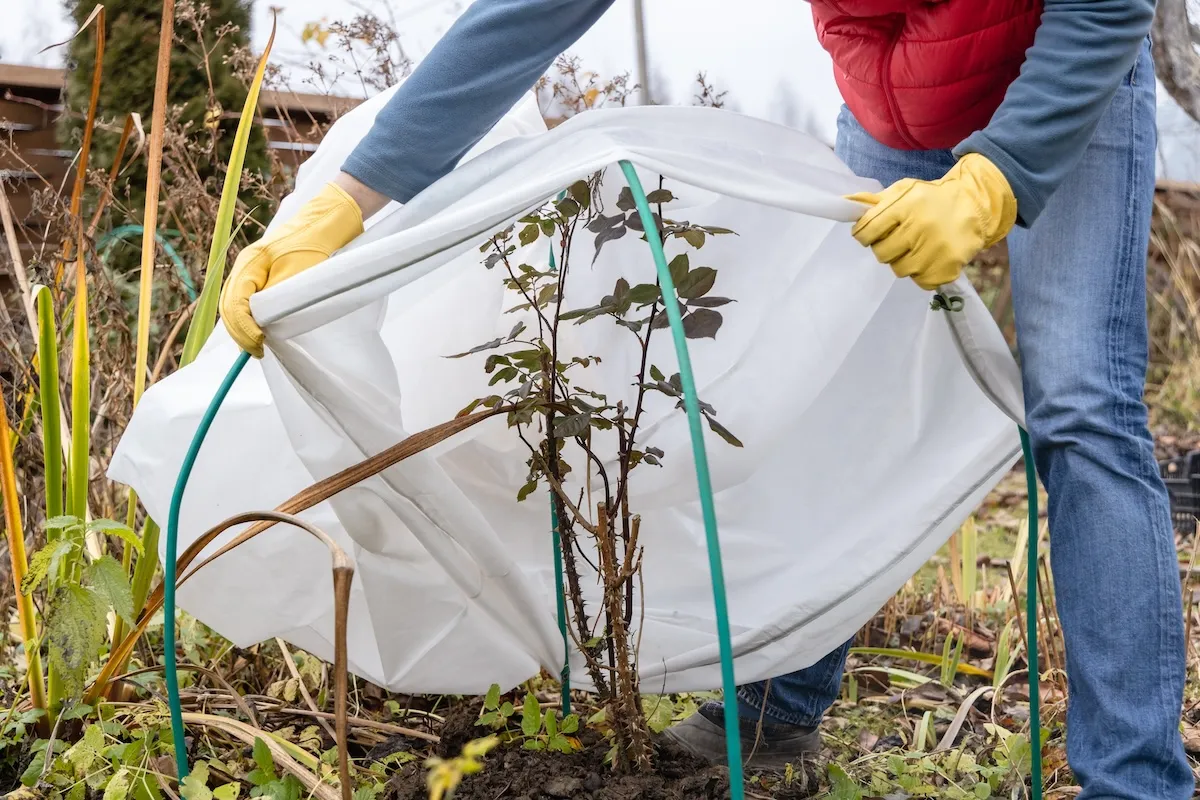
As temperatures drop, protecting your garden becomes vital. Applying a layer of mulch, typically 2 to 4 inches thick, can insulate your plants against cold temperatures. Use organic materials such as shredded leaves, wood chips, or straw to cover your garden beds. This not only helps your plants survive but also suppresses weeds and retains soil moisture.
2. Deadhead Garden Plants
To maintain the health of your garden, remove dead flowers and leaves. This practice, known as deadheading, prevents pests from overwintering in your garden and encourages new growth. Clear away any leftover summer vegetables and prune perennials to prepare your garden for the colder months.
3. Bring Container Plants Inside
Many container plants are not frost-tolerant, so as night temperatures drop below 50°F, it's time to move them indoors. Before relocating, inspect the plants for pests and trim any dead foliage. This will help your plants thrive indoors during winter.
4. Plant Spring Bulbs
Fall is the perfect time to plant spring-flowering bulbs like tulips and daffodils. The ideal planting time varies by region, but generally, northern gardeners should plant from late September to mid-October, while those in warmer areas can wait until early November. This ensures a beautiful bloom when spring arrives.
5. Seal Drafts
To keep your home cozy and efficient during winter, inspect doors and windows for drafts. Use incense to check for airflow, and seal any gaps with caulk or weather stripping. This simple task can significantly reduce heating costs and improve comfort.
6. Check Smoke Detectors
Ensure your family's safety by testing smoke and carbon monoxide detectors. Replace batteries if needed and consider upgrading older units. Regular checks, at least twice a year, can prevent potential fire hazards.
7. Inspect the Fireplace
Before using your fireplace, have it inspected and cleaned by a professional. This ensures safe operation and prevents the buildup of creosote, which can cause chimney fires. Clear any debris from the fireplace and check for structural issues.
8. Paint Your Entry Door Trim
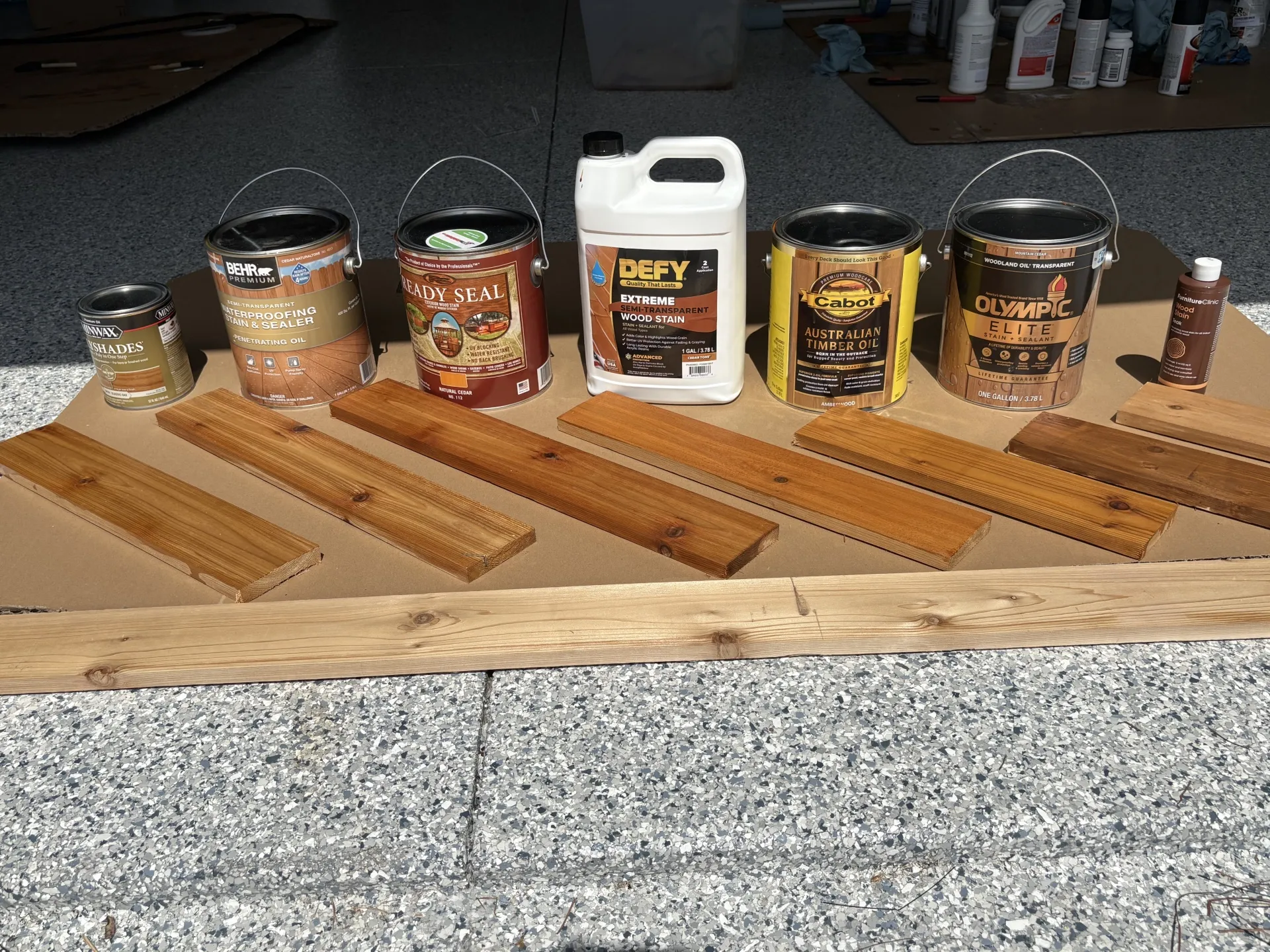
A fresh coat of paint on your entry door trim can enhance your home's curb appeal. Clean the trim thoroughly, then apply exterior paint, preferably in a gloss or semi-gloss finish for durability. This simple task can refresh your home's look for the season.
9. Reseed the Lawn
For a lush green lawn come spring, reseed in early to mid-fall. This practice helps establish a strong root system before winter. If you live in a warmer climate, consider sowing annual ryegrass for winter coverage.
10. Seal the Driveway
Maintaining your asphalt driveway is crucial. Clean it of debris and apply sealant to protect against winter weather. This not only extends its life but also enhances your home's appearance.
11. Inspect the Roof
Fall is an excellent time to inspect your roof for damage. Look for missing shingles or leaks and address any issues before winter weather exacerbates them. A well-maintained roof will protect your home from the elements.
12. Organize the Mudroom
With muddy shoes becoming a norm in fall, it’s time to organize your mudroom. Add a bench for easy shoe changes and ensure there are hooks for jackets and umbrellas. This will keep your home tidy and welcoming.
13. Trim Trees
Before winter, trim back any dead or overgrown branches. This not only improves the appearance of your yard but also reduces the risk of branches breaking under the weight of snow or ice.
14. Clean the Grill
After a summer of barbecues, clean your grill thoroughly to remove grease and food particles. This will ensure it’s ready for use next season and can help prevent rusting during the winter months.
15. Drain Garden Hoses
To prevent your garden hoses from bursting, drain and store them before the first frost. Disconnect hoses from spigots and keep them in a sheltered area. This will extend their lifespan and prevent damage.
16. Stock Up on Ice Melt
Prepare for winter weather by stocking up on ice melt, salt, and sand. Having these supplies on hand ensures you can safely navigate your property during snowy conditions.
17. Clean Your Rain Gutters
Autumn leaves can clog gutters, leading to water damage. Clear out debris and consider installing gutter guards to simplify maintenance throughout the year.
18. Change Your Furnace Filter
Improve your heating system's efficiency by replacing the furnace filter regularly. This simple task can enhance air quality and keep your heating system running smoothly.
19. Prepare for Emergencies
As winter storms approach, ensure you have a well-stocked emergency kit. Include essentials like food, water, and a first-aid kit, and consider investing in a generator for power outages.
20. Test Run the Snow Blower
If you rely on a snow blower, test it before the season begins. Ensure it starts easily and is in good working order to avoid surprises during snowstorms.
Conclusion
Completing these tasks before the first frost can save you time, money, and stress during the winter months. By staying proactive, you not only protect your home but also create a warm, welcoming environment for your family.