Introduction to Rust Converters
Rust converters are essential products for anyone looking to halt corrosion on metal surfaces without the arduous process of sanding or grinding. They provide a convenient solution for DIY enthusiasts tackling rust on vehicles, outdoor furniture, tools, or fences. This article presents five highly effective rust converters that were rigorously tested across various metal surfaces, assessing their application ease, coverage, and effectiveness.
What is a Rust Converter?
Unlike traditional rust removers that strip away rust through harsh chemicals or abrasive methods, rust converters work by chemically altering rust into a stable, paintable surface. This innovative approach allows them to serve multiple purposes: stopping existing rust, preventing new corrosion, and priming the surface for painting. Thus, a quality rust converter becomes a versatile tool in restoration and protection efforts.
Comparative Analysis of Rust Converters
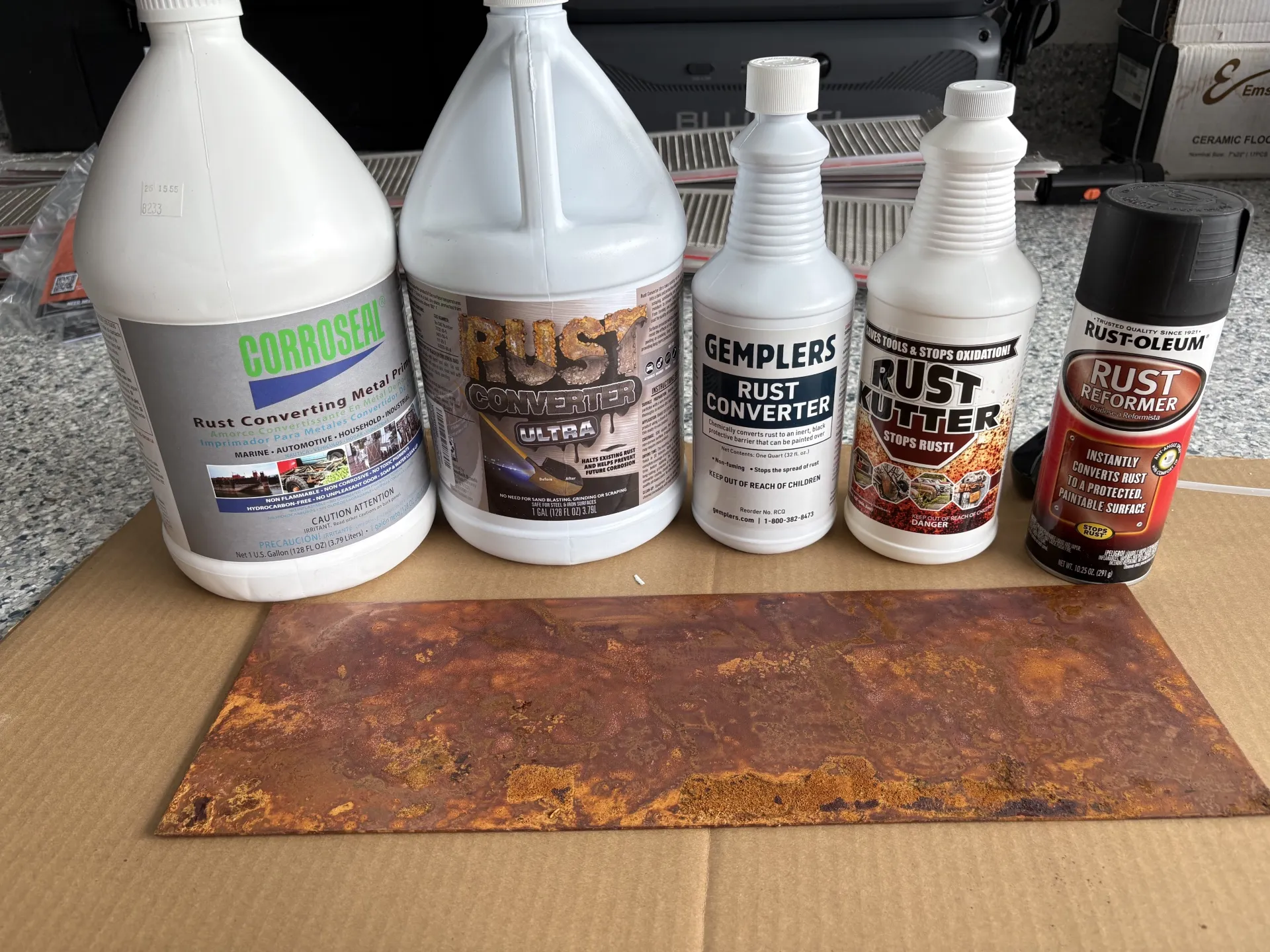
Here is a comparative overview of the top rust converters we tested, summarizing their types, application methods, and available sizes:
- Corroseal Water-Based Rust Converter/Primer: Water-based, can be applied by brush, roller, or spray. Available in sizes of 1 quart, 1 gallon, and 5 gallons.
- FDC Rust Converter Ultra: Water-based, suitable for brush, roller, or spray application. Available in 1 gallon.
- Rust-Oleum Rust Reformer Spray: Oil-based, designed for spray application. Available in 10.25 ounces.
- Rust Kutter Rust Converter: Acid-based, can be applied using a brush, roller, or spray. Available in 1-quart spray bottle and 1 gallon.
- Gemplers Rust Converter: Water-based, applicable by brush, roller, or spray. Available in 1 quart, 1 gallon, and 5 gallons.
Corroseal Water-Based Rust Converter: Our Top Pick
Among the products tested, Corroseal stood out due to its industrial-strength formula, which effectively converts rust and primes metal surfaces in one application. Its water-based, nontoxic formula is user-friendly, making it suitable for various projects, from automotive to marine applications. Observations during testing revealed that the thick white liquid smoothly transformed rust to a solid black finish within 10 to 15 minutes, indicating its effectiveness.
Additional High-Performance Rust Converters
While Corroseal is our top recommendation, several other rust converters also demonstrated impressive results. These alternatives provide various features, such as quick application methods and budget-friendly options:
- FDC Rust Converter Ultra: This product offers an efficient application and excellent results, making it a worthy contender.
- Rust-Oleum Rust Reformer Spray: Known for its convenience, this spray format allows easy application and quick drying times.
- Rust Kutter: This acid-based converter offers robust performance and is ideal for heavier rust issues.
- Gemplers Rust Converter: Another reliable water-based option with similar effectiveness to Corroseal.
Testing Methodology for Rust Converters
To evaluate the effectiveness of these rust converters, we conducted extensive testing on five products over a month. Each converter was applied to equally rusted metal samples, following the manufacturer’s guidelines. We monitored application methods, drying times, and the transformation of rust to assess performance and durability.
Evaluation Criteria
Our evaluation focused on several key factors, including ease of application, the effectiveness of rust conversion, durability after treatment, and overall value. After treatment, we painted over the samples to test their compatibility and exposed them to conditions designed to induce rust, ensuring we could measure the longevity of the protection provided.
Frequently Asked Questions
As you consider which rust converter to choose, you may have additional questions. Here are answers to some common inquiries:
- Is it better to remove rust or use a rust converter? While removing rust completely is ideal, it can be labor-intensive. Rust converters offer an efficient alternative.
- What are rust converters made of? Most rust converters contain tannic acid, which helps stabilize the rust and prepare surfaces for painting.
- Can you paint over a rust converter? Yes, most converters can be painted over once cured, allowing for seamless application.
- How long do you need to leave the rust converter on? Drying times vary, but generally, you should wait at least 20 minutes before further handling or painting.
Conclusion
In conclusion, selecting the right rust converter can significantly impact the longevity and appearance of your metal possessions. Each of the products reviewed here offers unique benefits, catering to different project requirements and user preferences. With the right choice, you can effectively stop rust in its tracks and prepare surfaces for a fresh coat of paint, ensuring your items remain protected for years to come.
Meet the Tester: Paul Rankin, a product tester and DIY expert, specializes in home improvement tools, focusing on practical performance evaluations.