Understanding the Goose Problem
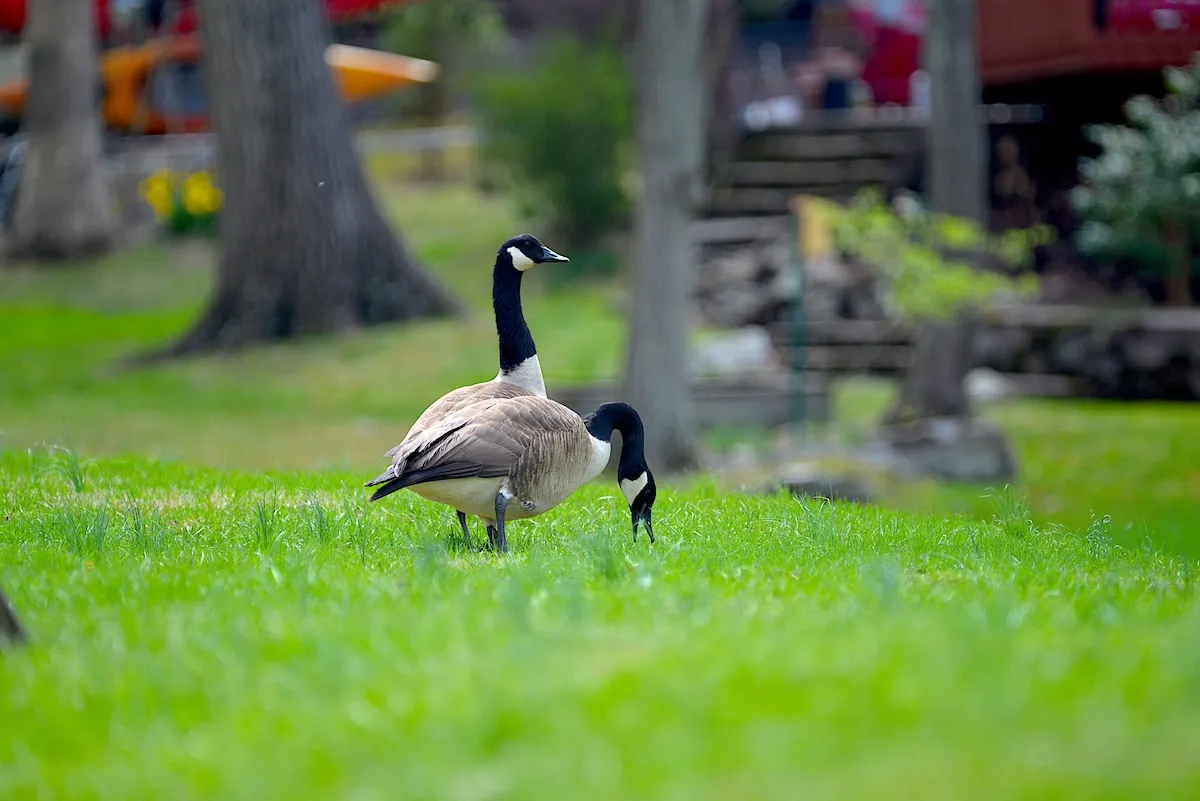
Canada geese can be both a picturesque sight and a significant nuisance. While they are migratory birds, many have adapted to residing in urban environments, making yards and parks their home. According to wildlife experts, geese are drawn to well-maintained lawns that provide ample food, nearby water sources, and open spaces that feel safe from predators. This combination creates an inviting habitat that can be difficult to disrupt once they settle in.
Homeowners quickly realize that the presence of geese can lead to various challenges. Their droppings can create unsightly messes on lawns and walkways, contaminate water features, and their aggressive behavior can pose risks, especially during nesting season. With geese capable of living longer than a decade, addressing this issue promptly is crucial.
Why Geese Become a Nuisance
While Canada geese are fascinating to observe, their presence can lead to numerous problems in residential areas. Experts emphasize that a lush, green lawn acts like an all-you-can-eat buffet for these birds, making them feel secure and comfortable. Some common issues caused by geese include:
- Excessive droppings: Goose droppings are not only unsightly but can also be slippery and harmful to garden areas and water features.
- Aggressive behavior: During breeding season, geese become highly territorial and may display aggressive behavior towards pets and people.
- Damage to landscaping: Constant grazing can weaken the grass, and their foot traffic can compact the soil, leading to long-term damage.
- Noise disturbances: The loud honking of geese can disrupt the tranquility of outdoor spaces, making them less enjoyable.
Understanding Goose Migration Patterns
Not all Canada geese migrate; many find favorable conditions and decide to stay in one location year-round. Understanding their migration patterns can help homeowners devise effective strategies to deter them. Here are the seasonal behaviors of geese:
- Spring (March to May): This period is crucial because geese are nesting. Once they establish nests with eggs, they become very defensive. It is essential to implement deterrent strategies early in the season.
- Summer (June to July): Adult geese molt during this time, making them unable to fly. If they settle in your yard, they may remain until their feathers grow back.
- Fall and Winter (August to February): Geese often gather in larger flocks to feed, but they can be easier to deter during these months as they are generally not nesting.
Recognizing whether geese are migratory or permanent residents helps in planning an appropriate response to manage their presence effectively.
Best Strategies to Deter Geese
Effective goose control requires persistence and a multi-faceted approach. Experts suggest that using a variety of humane methods consistently can significantly reduce the attractiveness of your property to geese.
Eliminate Food Sources
One of the most effective ways to deter geese is to remove food sources. Geese are attracted to lush lawns, so avoid over-fertilizing and consider planting grass varieties that are less appealing to them. Additionally, never feed the geese, as this encourages them to return and multiply.
Employ Motion Deterrents
Using motion-activated sprinklers, lights, or rotating devices can scare away geese from your yard. For the best results, frequently change the positions of these deterrents to prevent geese from becoming accustomed to them.
Utilize Noise Deterrents
Sounds can also be effective in deterring geese. Clapping hands, using air horns, or playing recordings of predator calls can disrupt their presence. However, employing a variety of sounds is essential, as geese will quickly adapt to repetitive noises.
Install Predator Decoys
Setting up decoys, such as those resembling natural predators like coyotes, can help deter geese. Moving these decoys frequently increases their effectiveness, as geese are less likely to approach a perceived threat.
Use Repellent Scents
Nontoxic repellents that contain substances geese dislike can be applied to your lawn. These products offer a safe solution without harming the birds, although they will need reapplication after rain.
Modify Your Landscaping
Changing the landscape can also deter geese. Planting tall grasses or native shrubs near water sources can obstruct geese's sightlines and provide cover for potential predators, making your yard less appealing.
Leverage Your Dog
Dogs are natural deterrents for geese. Allowing your dog outside during the goose season can help keep these birds at bay, as their barking and movement create an environment that geese wish to avoid.
Maintain a Consistent Deterrent Effort
Consistency is vital when dealing with geese. Whenever you spot geese on your property, take assertive action to encourage them to leave. Techniques such as clapping or walking toward them can reinforce the idea that your yard is not a safe space for them.
Conclusion
While Canada geese can be beautiful to observe in their natural habitat, their presence in your yard can lead to multiple issues. By understanding their behavior and implementing effective deterrent strategies, you can reclaim your outdoor space. Persistence and a combination of methods will significantly enhance your chances of keeping geese at bay.
Frequently Asked Questions (FAQ)
- Are Canada geese protected? Yes, Canada geese, their nests, and eggs are federally protected under the Migratory Bird Treaty Act. You cannot harm or remove them without a permit.
- What are geese most scared of? Geese are most frightened by perceived predators. Trained dogs are highly effective, and varied motion and noise deterrents can also help.
- How can I prevent geese from nesting on my property? Early hazing in spring is crucial. Walking towards them, clapping, or using deterrents can prevent nesting.
- How do I clean up goose droppings? You can use a shovel, rake, or leaf blower to collect droppings. However, consistent deterrence is the best long-term solution.